
Fiber is finally fashionable. It’s now called “fibermaxxing,” and suddenly everybody wants to know how much fiber is in a spoonful of chia seeds.
I’m glad we’re talking about it. Some of my favorite ways to get more fiber are as simple as opening the freezer for a handful of raspberries or reaching for the flaxseed when I make a smoothie.
Look at what you ate yesterday and pick one meal you could build on. If dinner was roast chicken, what about adding a side of sautéed greens tonight? Start with a change you’d actually look forward to eating again.
What is fibermaxxing, and how much fiber do you need?
Fibermaxxing is a social media trend that encourages people to eat more fiber. The National Institute of Diabetes and Digestive and Kidney Diseases puts adult fiber needs at 22 to 34 grams a day, depending on age and sex. Think of that as a range to work toward gradually.
Fiber is the part of plant foods your digestive enzymes can’t fully break down. Some kinds help keep stools soft and easier to pass. Others add bulk. Certain fibers also give the bacteria in your colon something to feed on. That’s one reason I like to see a mix of fiber sources on the plate over the course of a week.
Soluble vs. insoluble fiber: what’s the difference?
Soluble fiber can help keep stools soft and easier to pass. Psyllium is one example. It absorbs water and forms a soft gel. Inulin, the soluble fiber in Flora-Key, serves a different purpose. It feeds some of the bacteria already living in your gut.
Insoluble fiber adds bulk to stool and helps it move through your digestive tract. Broccoli and almonds are two foods that contain it.
Many plant foods give you a mix of both types of fiber. For an delicious way to get both, try my Raspberry Mojito Smoothie. It blends raspberries and chia seeds with fresh mint and a squeeze of lime.
Five easy ways to get more fiber
- Make room for flax. Stir a teaspoon of ground flaxseed into a smoothie or sprinkle it over a bowl of soup for extra fiber. For plant-based omega-3s, I like UNI KEY’s Organic Flax Oil. It’s cold-pressed and rich in alpha-linolenic acid (ALA), an essential omega-3 fat. Blend a little into that same smoothie or whisk it into a salad dressing.
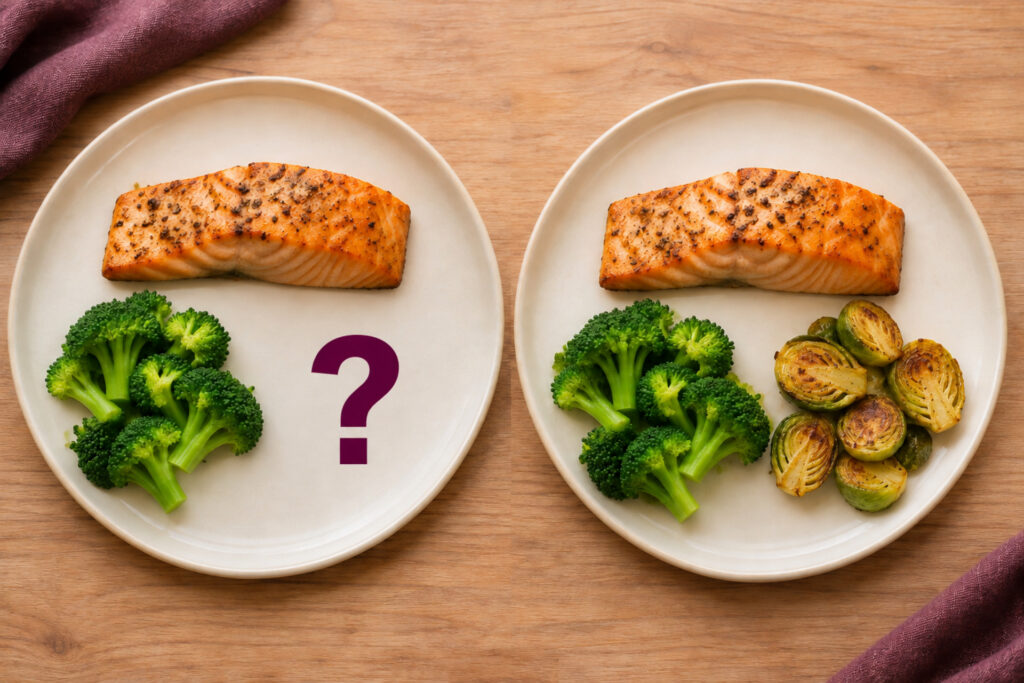
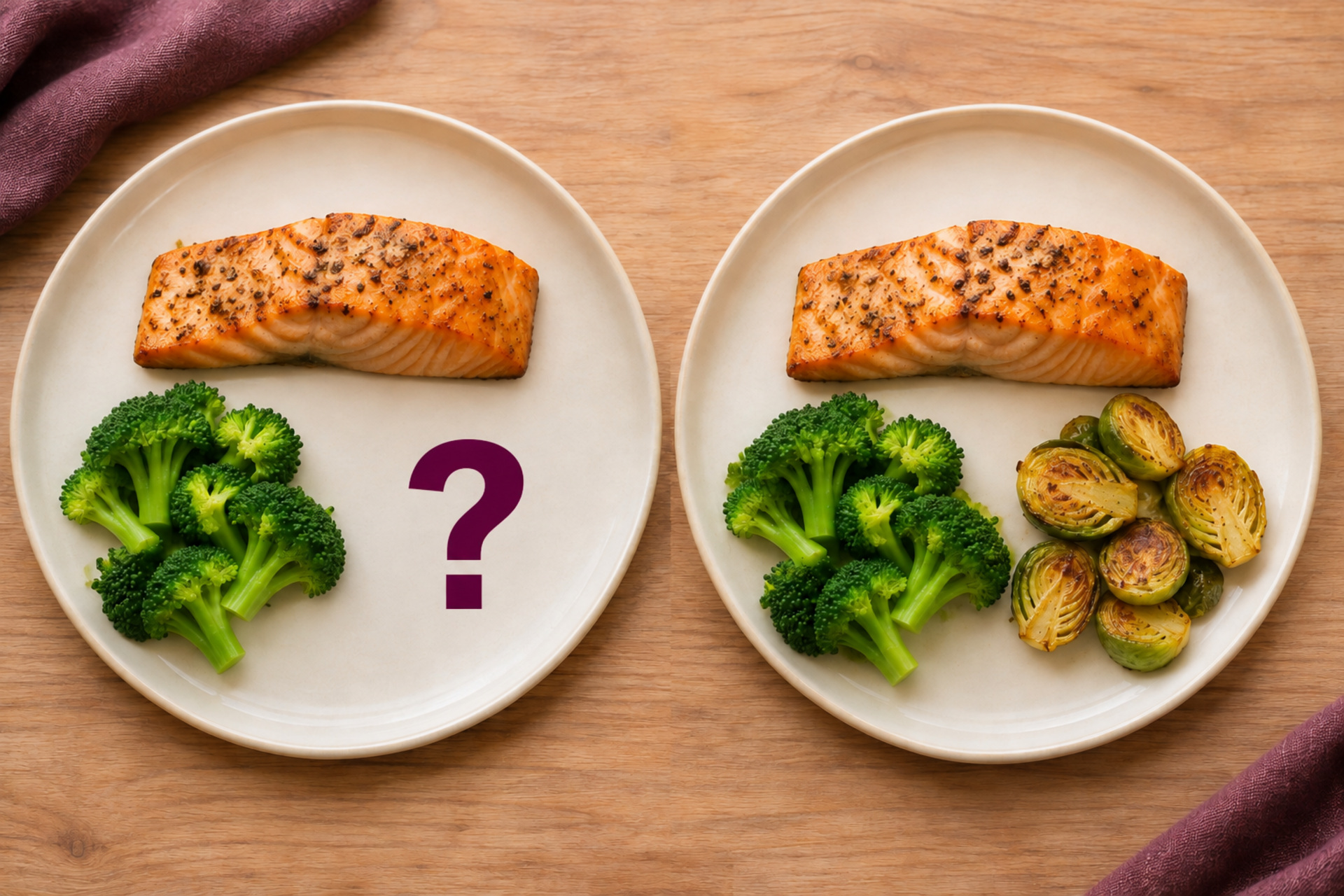
- Give dinner a second vegetable. If you already serve broccoli, add some roasted Brussels sprouts or sautéed greens. Frozen vegetables count and come in handy on a busy night.
- Add lentils a little at a time. If they fit your plan, try a few spoonsful in a pot of vegetable soup or on a salad. You can build up from there as your digestion adjusts. For dinner inspiration, see my Fat Flush autumn recipes.
- Keep frozen raspberries on hand. Add a small handful to a smoothie when berries fit your plan. They give you fiber and a little tartness.
- Add a little crunch. Toss a small handful of chopped almonds over a salad or cooked greens if nuts fit your plan. It’s a quick way to add fiber and make a familiar side dish a little more interesting.
If you’re following Fat Flush, use the foods that fit your current phase. Cooked vegetables and seeds are good places to look first. My Fat Flush guide explains how the phases build on one another.
A note on water. As you add fiber, drink fluids throughout the day, within any limits your clinician has given you. If gas or bloating picks up after a change, back off and increase more slowly.
Five Kinds of Fiber in One Capsule? Meet Super-GI Cleanse
Super-GI Cleanse brings together five fiber sources to support regularity. Psyllium husk absorbs water and forms a soft gel that helps make stools easier to pass. Flaxseed, apple pectin*, oat bran, and rice bran round out the blend with a mix of soluble and insoluble fiber.
There’s more to the formula than fiber. It also includes fennel and peppermint, digestive enzymes, and two types of probiotic bacteria for broader digestive support.
*A Word About Apple Pectin
Did you know? Apple pectin was used after Chernobyl to help reduce radiation in children from contaminated areas of Belarus and Ukraine. In a randomized, double-blind, placebo-controlled trial published in Swiss Medical Weekly (2004), 64 children from contaminated villages in the Gomel region. They stayed in a sanatorium where they were fed radiologically clean food.
The results?
Children given oral apple-pectin powder (dry milled apple extract with 15–16% pectin) saw an average 62.6% reduction in Cs-137 levels. The placebo group (clean food only) saw about 13.9% reduction. The difference was statistically significant. Many in the pectin group dropped below levels some researchers associated with potential tissue effects, while none in the placebo group did.
Flora-Key Provides Prebiotics and Probiotics in One Simple Scoop
Flora-Key is both a prebiotic and a probiotic. The probiotic supplies live bacteria, while the prebiotic, a fiber called inulin, feeds some of the beneficial bacteria already living in your gut.
Each scoop of Flora-Key provides 20 billion colony-forming units (CFUs) from five types of probiotic bacteria, including Lactobacillus acidophilus and Bifidobacterium longum. CFUs are a measure of how many bacteria in a serving are alive and able to grow. The strains matter, too, because different strains can affect your gut in different ways.
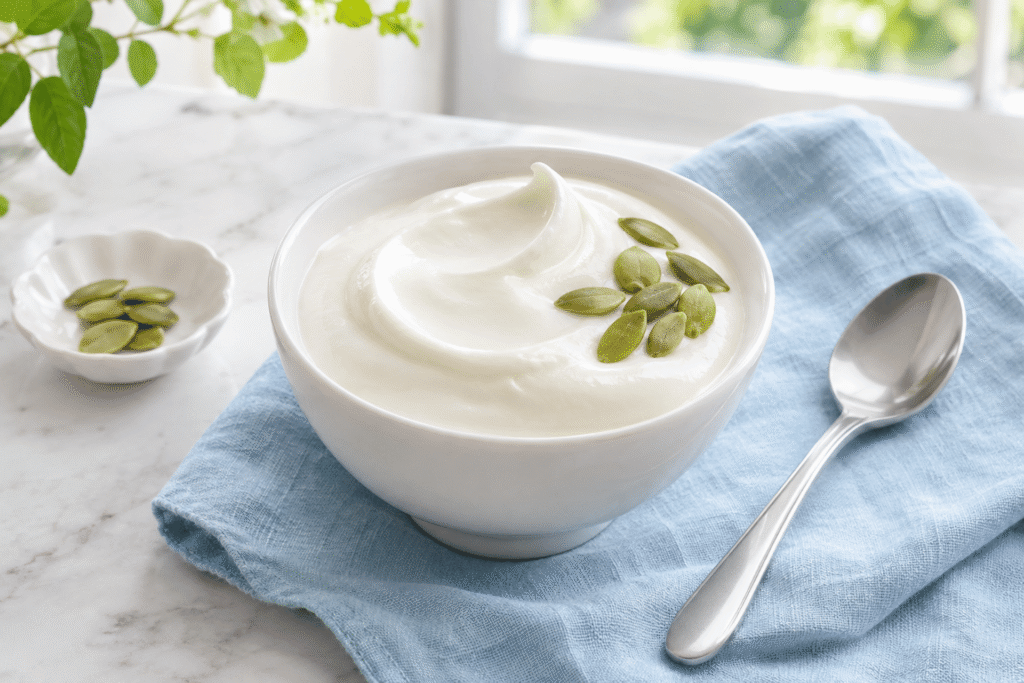
Flora-Key has a slightly sweet taste. You can stir the powder into cool water, sprinkle it over yogurt, or even add it to a salad. Stick with cool or room-temperature foods and drinks, since heat can reduce the number of live bacteria.
FAQ
Can I get enough fiber without eating a lot of sweet fruit?
Yes. Vegetables, seeds, nuts, and, if they fit your plan, lentils and beans can do much of the work. Raspberries are an option if you like a tart fruit. And if you like raspberries, you’ll love my recipe for Raspberry Mojito Smoothie.
Can more fiber make me bloated?
Yes, particularly if you add several high-fiber foods at once. Try one small change, give yourself time to adjust, and keep up with fluids. If constipation persists despite self-care, talk with your clinician. Seek prompt care if you have constipation with blood in your stool or ongoing abdominal pain.
Do I need both UNI KEY products to get more fiber?
Super-GI Cleanse is a fiber and herb formula for regularity support, while Flora-Key is a probiotic and prebiotic powder. Choose based on what you’re looking for, and ask your clinician if you’re unsure whether either formula is right for you.
Sources and further reading:
- University of Georgia Extension: Viral Trends, Fiber-Maxxing
- NIH/NIDDK: Eating, Diet, and Nutrition for Constipation
- Mayo Clinic: Dietary Fiber and Your Health
- Mayo Clinic: Chart of High-Fiber Foods
- NIH Office of Dietary Supplements: Probiotics
- MedlinePlus: Psyllium
- European Medicines Agency: Frangula (Buckthorn) Bark
- NIH/NIDDK: Symptoms and Causes of Constipation
These statements have not been evaluated by the Food and Drug Administration. These products are not intended to diagnose, treat, cure, or prevent any disease.