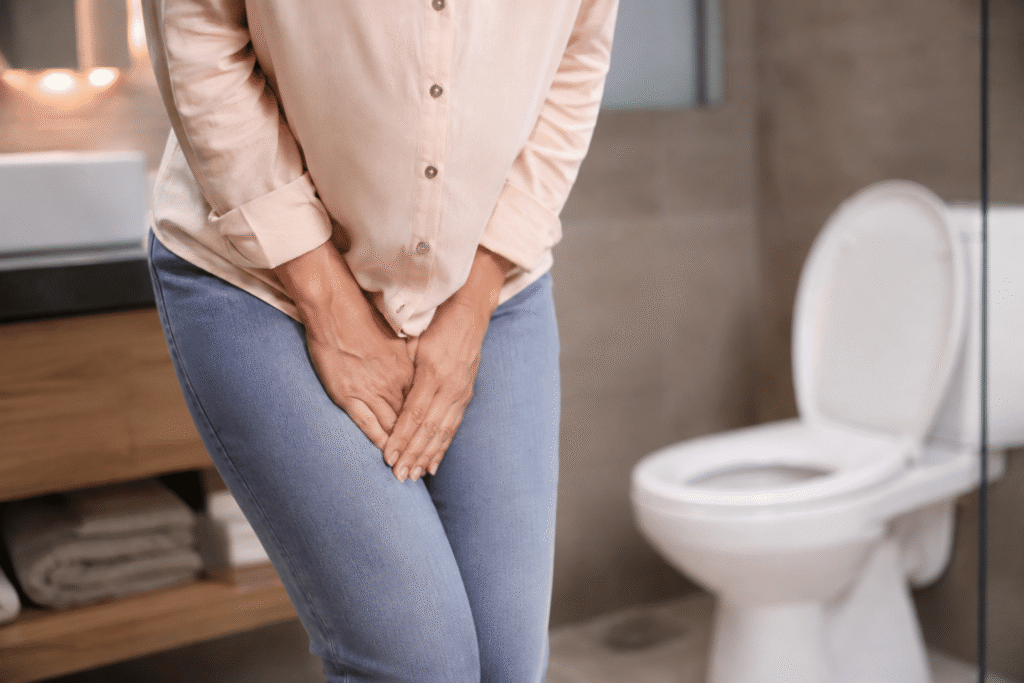

Have you ever chosen the aisle seat at the movies because you knew you’d have to get up?
Mapped out the bathrooms before a long car ride?
Stopped drinking water before leaving the house because you were afraid you’d have to go?
Or found yourself wide awake at 2 a.m., making yet another trip to the bathroom?
If any of this sounds familiar, you have plenty of company.
Frequent urination, urgency, nighttime bathroom trips, and those dreaded “I don’t think I’m going to make it” moments become increasingly common as we get older. But here’s something I want you to know:
Common doesn’t mean you have to live with it.
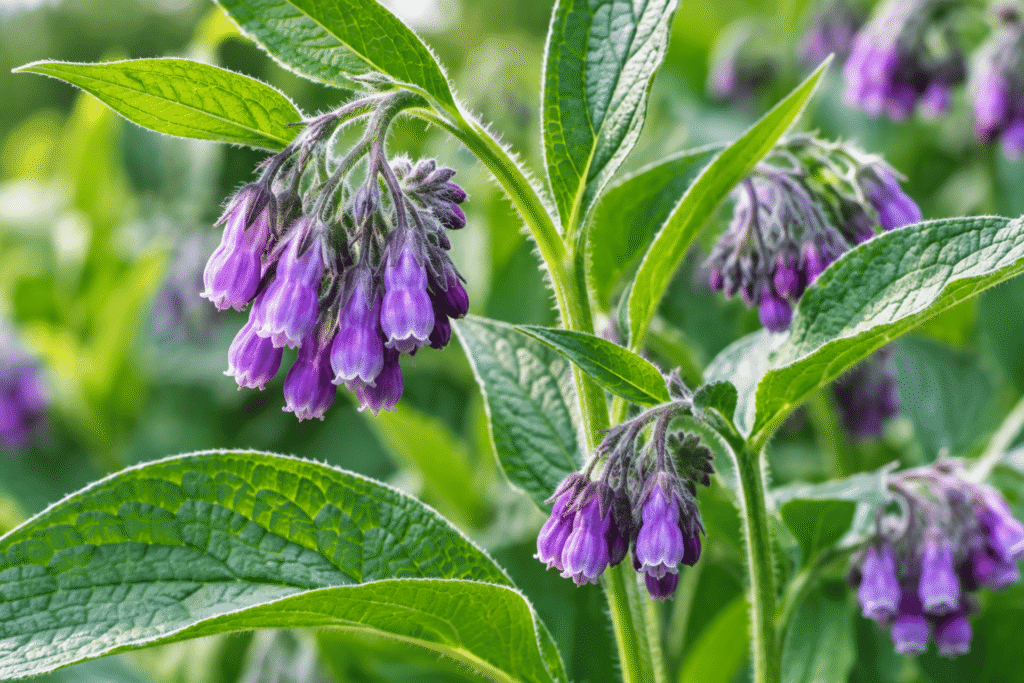
And lately I’ve been looking at an ancient Ayurvedic herb called Crataeva nurvala, which has some interesting research behind it.
I’d never suggest that one herb will solve every bladder problem. But when researchers put a botanical formula containing Crataeva through a randomized, double-blind, placebo-controlled human trial and saw improvements in bladder complaints that keep so many people tethered to the nearest restroom, they got my attention.
Why Am I Peeing So Much?
Before we get to Crataeva, let’s talk about what’s actually happening.
Your bladder is designed to gradually fill with urine and hold it until you’re ready to go. Normally, your brain and bladder communicate so you get the message that your bladder is filling without having to race for the bathroom.
With an overactive bladder, the bladder muscles can contract even when there isn’t much urine inside. That can create the sudden, difficult-to-control urge to go.
And frequent urination isn’t always the same thing as overactive bladder.
There are many possible reasons you may suddenly find yourself peeing more often, including urinary tract infections, diabetes, certain medications, bladder problems, too much caffeine or alcohol, and even constipation.
For women, another important piece of the puzzle matters.
Why Is Frequent Urination So Common in Women?
Our hormones affect far more than hot flashes and moods.
As estrogen levels decline during menopause, changes can occur in the tissues and muscles involved in urinary and pelvic-floor function. Pregnancy and childbirth can also contribute to bladder-control problems later in life.
That’s one reason I don’t want women dismissing bladder changes as simply another indignity of getting older.
If you’re suddenly planning your life around the nearest restroom, waking repeatedly during the night, experiencing urgency, or leaking before you can reach the toilet, it’s worth finding out what’s going on.
And it’s also worth knowing about some of the natural approaches researchers are investigating.
What Is Crataeva Nurvala?
Crataeva nurvala, sometimes called varuna, is a plant traditionally used in Ayurvedic medicine, particularly for urinary health.
The bark contains several naturally occurring plant compounds, including one called lupeol.
But here’s an important distinction from some of the claims you may have seen online.
The human clinical trial that caught my attention didn’t test Crataeva on its own.
Researchers studied a proprietary botanical formula containing extracts of three plants:
- Crataeva nurvala stem bark
- Equisetum arvense, better known as horsetail
- Lindera aggregata root
So we can’t credit Crataeva alone for what happened.
But what happened was certainly worth noticing.
Can Natural Remedies for Overactive Bladder Really Help?
Researchers enrolled 150 adults, 59 percent of whom were women, with an average age of about 63.
That’s one reason this study caught my eye. These weren’t laboratory cells or mice. These were real people dealing with the same bladder problems many of us begin noticing as we get older.
For eight weeks, participants received either the herbal formula or a look-alike placebo, with neither group knowing which one they were taking. Those receiving the herbal formula took 840 mg daily of the proprietary three-herb blend.
The researchers tracked daytime urination, nighttime bathroom trips, urgency, incontinence, and quality of life.
And by week eight, the differences were significant.
People taking the herbal formula averaged 7.69 daytime trips to the bathroom, compared with 10.95 trips in the placebo group.
Nighttime trips fell to an average of 2.16 per night, compared with 3.14 in the placebo group.
Those taking the herbal formula also reported fewer episodes of urgency and leakage, along with an improvement in quality of life. Just as encouraging, no participants had to leave the study because of significant side effects.
For anyone whose day revolves around urgently asking, “Where’s the bathroom?” those numbers are meaningful.
Interested in Trying It?
If you’re interested in trying this combination for yourself, I’ve found a professional-quality formula containing Crataeva through my Fullscript dispensary. Simply sign up and type “crataeva” in the search bar.
How to Stop Peeing So Much: Start With the Basics
Before reaching for any bladder health supplement, consider a few things you can change right now.
A few simple changes may make a difference, too. Cutting back on caffeine and alcohol may help calm an overactive bladder, while pelvic-floor exercises, regular movement, and maintaining a healthy weight can all help support better bladder control.
One thing I don’t recommend is deliberately dehydrating yourself because you’re afraid of having to go.
Your body still needs water. The goal isn’t to stop drinking. It’s to figure out why you’re going so frequently in the first place.
When Frequent Urination Needs A Doctor
This part is important.
A sudden or unexplained change in urination shouldn’t automatically be blamed on aging or menopause.
Frequent urination can sometimes be related to a UTI, diabetes, bladder stones, kidney problems, interstitial cystitis, medications, or other medical conditions.
If you have pain or burning when you urinate, blood in your urine, trouble emptying your bladder, fever or chills, back or side pain, or a significant unexplained change in your bathroom habits, please talk with your healthcare provider.
Find out what’s causing the problem before you try to fix it.
The Bottom Line
Don’t let an overactive bladder quietly shrink your world. There may be more you can do about those constant bathroom trips than you realize.
You should be deciding where you go, how long you stay, and how far you want to travel. Not your bladder.
Resources include:
Schoendorfer N, Sharp N, Seipel T, Schauss AG, Ahuja KDK. Urox containing concentrated extracts of Crataeva nurvala stem bark, Equisetum arvense stem and Lindera aggregata root, in the treatment of symptoms of overactive bladder and urinary incontinence: a phase 2, randomised, double-blind placebo controlled trial. BMC Complement Altern Med. 2018 Jan 31;18(1):42. doi: 10.1186/s12906-018-2101-4. PMID: 29385990; PMCID: PMC5793427.
Mayo Clinic. “Overactive Bladder: Symptoms and Causes.” Mayo Clinic, updated May 15, 2026.
National Institute of Diabetes and Digestive and Kidney Diseases (NIDDK). “Symptoms & Causes of Bladder Control Problems (Urinary Incontinence).” National Institutes of Health.