

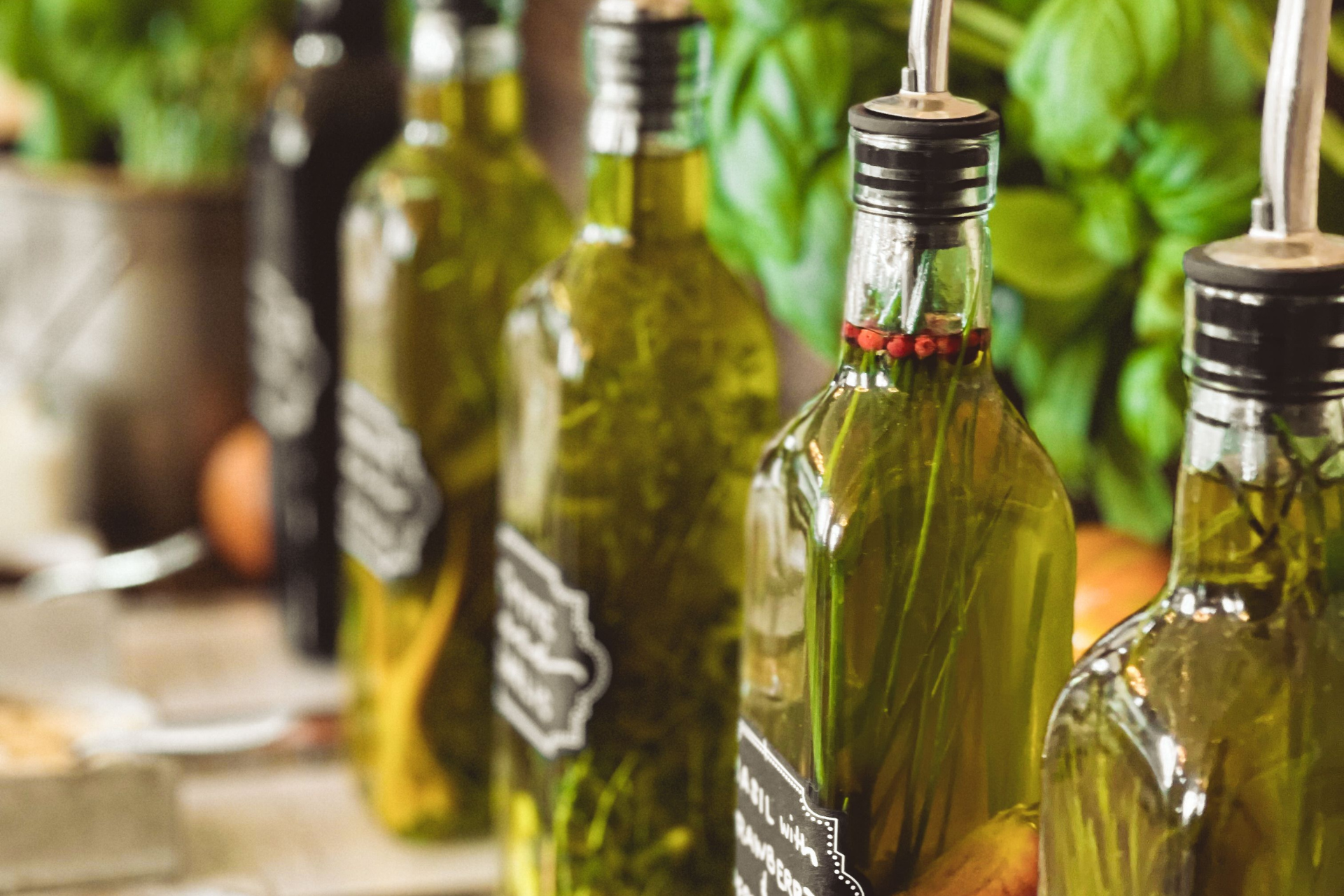
What if one of the biggest nutrition debates of the decade is missing the most important piece of the puzzle?
Everywhere you look, people are warning you about seed oils.
Throw them out.
Never touch them.
Avoid them at all costs.
But here’s what almost nobody is telling you:
Some seed oils can fuel inflammation. Others can actually nourish your body.
If you don’t know the difference, you could be throwing away some of the healthiest oils nature has to offer.
What Exactly Are Seed Oils?
Technically speaking, any oil extracted from a seed is a seed oil. That’s where much of today’s confusion begins.
When most people warn you to “avoid seed oils,” they’re usually referring to highly refined industrial oils such as soybean, corn, cottonseed, canola, safflower, sunflower, grapeseed, and rice bran oil. These inexpensive oils are found in countless ultra-processed foods, fast food, restaurant meals, bottled salad dressings, crackers, chips, baked goods, and even many products marketed as “healthy.”
They’re often extracted using high heat and chemical solvents, then refined, bleached, and deodorized before they ever reach your plate. In my opinion, that’s a far cry from the oils nature intended.
But here’s where I part company with many of today’s headlines.
Not all seed oils belong in the same category.
For decades, I’ve recommended carefully selected cold-pressed, minimally processed seed oils such as organic flaxseed oil because they provide essential fatty acids your body simply can’t make on its own. The difference isn’t just the seed itself. It’s how the oil is produced, how it’s stored, and how it’s used.
That’s why I encourage my readers to stop asking, “Are seed oils good or bad?”
Instead, ask a much better question:
Which seed oils deserve a place in my kitchen—and which ones don’t?
Let’s take a closer look.
Rather than lumping every seed oil into the same category, I encourage you to look at how the oil is produced—not just where it comes from. Cold-pressed, minimally processed oils retain many of their natural nutrients. Highly refined industrial oils, on the other hand, are often extracted using high heat and chemical solvents before being refined, bleached, and deodorized.
Seed Oils I Recommend
| ✔ Recommended | Why I Like Them |
|---|---|
| Organic Flaxseed Oil | Rich in omega-3 fatty acids and lignans that support heart health and healthy inflammation. Best enjoyed unheated. |
| Hemp Seed Oil | Provides an excellent balance of essential fatty acids that support healthy skin, joints, and overall wellness. |
| Walnut Oil | Naturally contains both omega-3 and omega-6 fats to support cardiovascular health. Best used in dressings or drizzled over foods. |
| Black Currant Seed Oil | Contains thymoquinone (TQ), a powerful plant compound with antioxidant and anti-inflammatory properties. A key ingredient in one of UNI KEY’s signature products: GLA-90. |
| Macadamia Nut Oil | One of my favorite cooking oils thanks to its high oleic acid content and excellent heat stability. |
| Siberian Pine Nut Oil | Traditionally valued for digestive health, healthy cholesterol levels, antioxidant support, and appetite control. |
Oils I Generally Avoid
Soybean oil
Corn oil
Cottonseed oil
Conventional canola oil
Grapeseed oil
Rice bran oil
Conventional safflower oil
Conventional sunflower oil
Why? These oils are commonly extracted using high heat and chemical solvents, then refined, bleached, and deodorized. They’re also widely used in ultra-processed foods.
Are All Seed Oils Used the Same Way?
Absolutely not—and that’s another reason it’s misleading to lump them all together.
Just as you wouldn’t use butter in a smoothie or hemp seed oil for every recipe, each healthy seed oil has its own strengths.
Organic Flaxseed Oil: Best in smoothies, salad dressings, or drizzled over cooked vegetables. Never heat it. UNI KEY’s Organic Flaxseed Oil is cold-pressed and unrefined to preserve its delicate omega-3 fatty acids. The result is a smooth, buttery oil with a light, nutty flavor that mixes effortlessly into your favorite meals and smoothies. It’s the only brand I recommend.
Hemp Seed Oil: Delicious in salad dressings, dips, or blended into smoothies. See my article, “The Perfectly Balanced Fat for Weight Loss.”
Walnut Oil: A flavorful finishing oil for salads, roasted vegetables, and grain dishes.
Black Seed Oil: Best taken in small amounts as a supplement or added to cold foods. You might enjoy my podcast interview with Dr. Cass Ingram about “The Oil That Cures Everything But Death.”
Macadamia Nut Oil: An excellent choice for sautéing, roasting, and other higher-heat cooking. See my biohack, “The Ideal Oil for Healthier Cooking, Improved Weight Loss, and Softer Skin.”
Siberian Pine Nut Oil: Best enjoyed unheated or used as a finishing oil. See my article: “5 Tips on Using Siberian Pine Nut Oil for Weight Loss.”
The Bottom Line
Don’t let today’s seed oil debate distract you from the bigger picture.
The goal isn’t to fear every oil that comes from a seed. The goal is to be a smarter shopper.
Think of seed oils the same way you think about coffee. Coffee beans are perfectly natural. But an ultra-processed, sugar-laden coffee drink isn’t the same thing as a freshly brewed cup of organic coffee.
The same is true of seed oils. It’s not simply where they come from—it’s how they’re processed that makes all the difference.
I’ve spent more than four decades encouraging people to look past nutrition headlines and ask better questions. This is one of those times.
Instead of asking, “Are seed oils good or bad?” ask, “Which oil am I buying? How was it produced? What nutrients does it bring to the table?” Those simple questions can turn an ordinary shopper into an informed one.
That’s a habit worth bringing home from every trip to the grocery store.










8 Responses
How about peanut oil? I deep fry once or twice a year and have always used peanut oil.. is there anything else or is once or twice a year okay?
Elizabeth, personally, we would avoid peanut oil. Like many conventional cooking oils, it’s typically highly refined and can become even more damaged when heated to the high temperatures required for deep frying – Team ALG
Excellent, thank you for all the information on seed oils. I use UniKey flax oil! Importantly I get the best. Great taste!
I know years ago, you said, pine nut oil, and macadamia nut oil, her favorites of yours. I just don’t know what brand or where to get them. Thank you very much.💞
Thank Mary! For Siberian pine nut oil, here is ALG’s favorite: https://amzn.to/3OzhHZM
For Macadamia Nut Oil, here is her recommended brand: https://amzn.to/4r2DjvB
Both are available on Amazon – Team ALG
My toasted sesame oil says unrefined, no additives & it’s expeller pressed. It’s fatty, no fiber & labeled with non gmo icon. I just bought it thinking I made a good find. It was on clearance. How’s this rate?
Cindy, it sounds like you’ve found one of the better options. An unrefined, expeller-pressed, non-GMO sesame oil is generally a much better choice than highly refined seed oils that have been chemically extracted and heavily processed – Team ALG
Thank you ! What about avacado oil ? thanks .
Ione, if you opt for avocado oil, look for 100% pure avocado oil, preferably expeller-pressed or cold-pressed when possible. Also, some avocado oils have been found to be adulterated or mixed with cheaper oils, so we encourage buying from a reputable brand – Team ALG