


A new study of 4.3 million adults raises new questions about long-term antidepressant use and sudden cardiac death.
More than one in nine American adults now takes prescription medication for depression. For many people, these medications provide much-needed relief during difficult periods of life. But a major new study is raising important questions about what may happen when they are taken for years rather than months.
What happens after years—or even decades—of taking them?
The Study That Got My Attention
A new study involving more than 4.3 million adults has raised troubling questions about the long-term safety of antidepressants.
Researchers found that people who used antidepressants for extended periods were significantly more likely to experience sudden cardiac death than those who did not.
Sudden cardiac death occurs when the heart unexpectedly stops beating because of an electrical disturbance. It often happens with little or no warning and can become fatal within minutes if normal heart rhythm isn’t restored immediately.
The findings are difficult to ignore.
People who had taken antidepressants for one to five years had a 41% higher risk of sudden cardiac death.
For those who had used them for six years or longer, the increased risk climbed to 74%.
Why These Findings Deserve Your Attention
One study doesn’t settle a scientific question. It never has.
But when a study involving more than 4.3 million people uncovers a potential risk associated with one of the world’s most commonly prescribed medications, it’s not something we should simply brush aside.
For many people, antidepressants begin as a short-term solution during an especially difficult chapter of life. Yet what starts as a few months can quietly become years—and sometimes decades—without anyone stopping to ask whether the medication is still necessary, whether the dose is still appropriate, or whether new research should be part of the conversation.
That’s why I encourage everyone to revisit long-term medications from time to time with the healthcare provider who prescribed them. A prescription that made perfect sense five or ten years ago deserves an occasional second look—especially as new research emerges and your own health changes.
What About Effectiveness?
Over the past two decades, researchers have continued to debate how much benefit these medications provide for many patients, particularly those with mild to moderate depression. Some reviews have concluded that while antidepressants can be helpful—especially for severe depression—the average benefit for some patients may be smaller than many people realize.
That doesn’t mean antidepressants never work.
It does mean every decision deserves an individualized discussion that carefully weighs both the potential benefits and the potential risks.
Don’t Stop Your Medication on Your Own
If you’re taking an antidepressant, don’t make the mistake of stopping it suddenly. Abrupt withdrawal can trigger uncomfortable symptoms and, in some people, lead to a return of depression or even suicidal thoughts.
The safest path is always to work with your healthcare provider to taper the medication slowly.
Nourishing Your Brain Naturally
Your brain depends on a steady supply of vitamins, minerals, healthy fats, and other essential nutrients to produce neurotransmitters, regulate inflammation, and keep billions of nerve cells communicating efficiently. When those nutritional building blocks are in short supply, emotional well-being and cognitive function can both begin to suffer.
That’s one reason I believe every conversation about brain health should begin with nutrition.
Here are four of my favorite ways to help nourish the brain naturally.
It’s why I wrote: What If Your Brain Isn’t Broken, But Starved?
Here is the takeaway:
#1 Magnesium: The Mineral You Probably Need More Of
Magnesium is involved in more than 300 enzymatic reactions throughout the body, including many that help regulate the brain, nervous system, and healthy stress response. Yet research suggests that many Americans still don’t get enough of this essential mineral.
When magnesium levels begin to fall, the effects can show up in surprising ways. Fatigue, irritability, increased stress sensitivity, poor sleep, muscle tension, and low mood have all been linked to inadequate magnesium intake. While magnesium isn’t a substitute for appropriate medical care, restoring healthy levels can make a meaningful difference for people who are deficient.
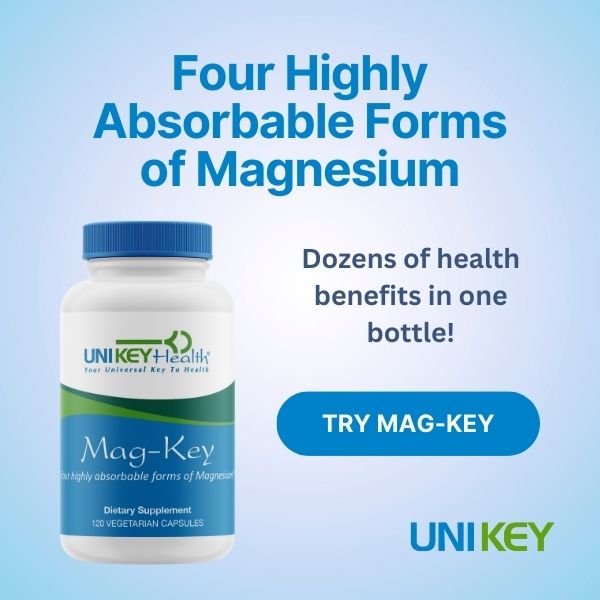
That’s one reason I often recommend Mag-Key. It provides four highly bioavailable forms of magnesium—glycinate, taurate, orotate, and malate—along with vitamin B6 to support optimal absorption and utilization. It’s one of my favorite ways to help replenish this essential mineral and support both brain and nervous system health.
#2 Inositol: The Unsung Hero
Not every important nutrient makes headlines. Inositol certainly doesn’t—but perhaps it should. Researchers conducting a double-blind clinical trial found that participants taking 12 grams a day experienced significant improvements in depression scores after just four weeks. It’s one more example of why I believe nutrition deserves a place in every conversation about brain health.
In my experience, inositol has been one of those underappreciated nutrients that can make a real difference for some people, particularly those who struggle with racing thoughts or feel mentally “stuck.” If you’d like to learn more, you’ll find a high-quality inositol supplement in my Fullscript dispensary. Just sign in and search for “inositol.”
#3 The Mood-Making B Vitamins
Your brain can’t make mood-supporting neurotransmitters out of thin air. It depends on B vitamins to keep those vital chemical messengers flowing. Think of them as the spark plugs that help keep your brain firing on all cylinders.
UNI KEY’s Advanced Daily Multivitamin delivers a complete spectrum of highly bioavailable B vitamins—along with other essential nutrients—to help fill common nutritional gaps and support healthy brain function, energy production, and overall wellness.
#4 Beyond the Basics
A strong multivitamin is where I encourage everyone to begin. From there, targeted nutrients can provide additional support for specific areas of health—including the brain.
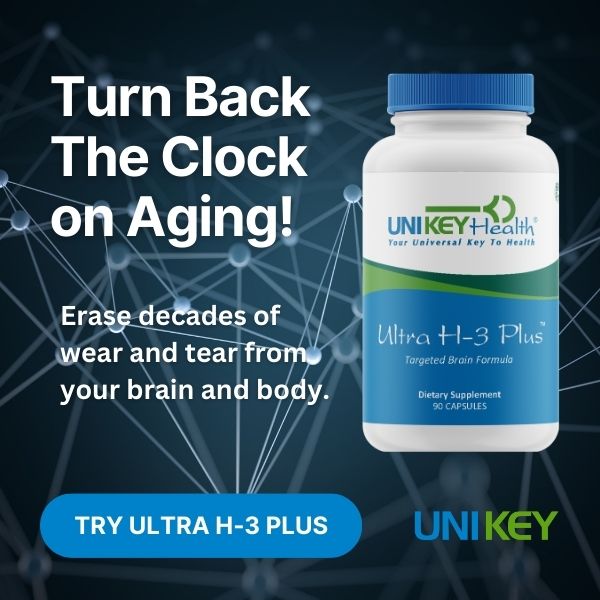
That’s why I recommend Ultra H-3 Plus. Its blend of twelve carefully selected vitamins, nutrients, and botanicals—including PABA, DMAE, benfotiamine, bilberry, vinpocetine, niacin, biotin, and folate—helps support healthy cognitive function, mental clarity, and overall brain health.
It’s one more way to provide your brain with the nutritional foundation it needs to function at its best.
The Bottom Line
This new study isn’t a reason to stop taking an antidepressant. It is a reason to stay informed, ask thoughtful questions, and make sure your treatment plan still reflects your current needs.
If you’ve been taking an antidepressant for years, don’t panic. Get curious. Schedule a conversation with your healthcare provider and review your options together.
And remember, lasting emotional well-being rarely comes from a single pill. It begins with nourishing the brain and body with the nutrients they need, addressing the root causes that may be contributing to the problem, and embracing the healthy habits that allow both body and mind to thrive.
Resources Include:
Elgaddal N, Weeks JD, Mykyta L. Characteristics of Adults Age 18 and Older Who Took Prescription Medication for Depression: United States, 2023. NCHS Data Brief. 2025;(528):1-9. National Center for Health Statistics. doi:10.15620/cdc/174589.
Mujkanovic J, et al. Antidepressant treatment duration and risk of sudden cardiac death: A nationwide cohort study. Heart Rhythm. 2026.
Shelton RC. Steps Following Attainment of Remission: Discontinuation of Antidepressant Therapy. Prim Care Companion J Clin Psychiatry. 2001 Aug;3(4):168-174. doi: 10.4088/pcc.v03n0404. PMID: 15014601; PMCID: PMC181183.








4 Responses
Fabulous article! Touches on things, I am sure are not talked about, when a prescription is given! Thank you for sharing this!
Olga, so glad you found it helpful. These are exactly the kinds of conversations I believe we need to be having. 💜 – Team ALG
How does one access the two articles mentioned above on the effects of antidepressants on the heart? Thank you.
Leigh, thanks for asking!
Here are links to studies referred to in this article:
https://www.heartrhythmjournal.com/article/S1547-5271%2826%2900220-1/abstract
https://pmc.ncbi.nlm.nih.gov/articles/PMC181183/