

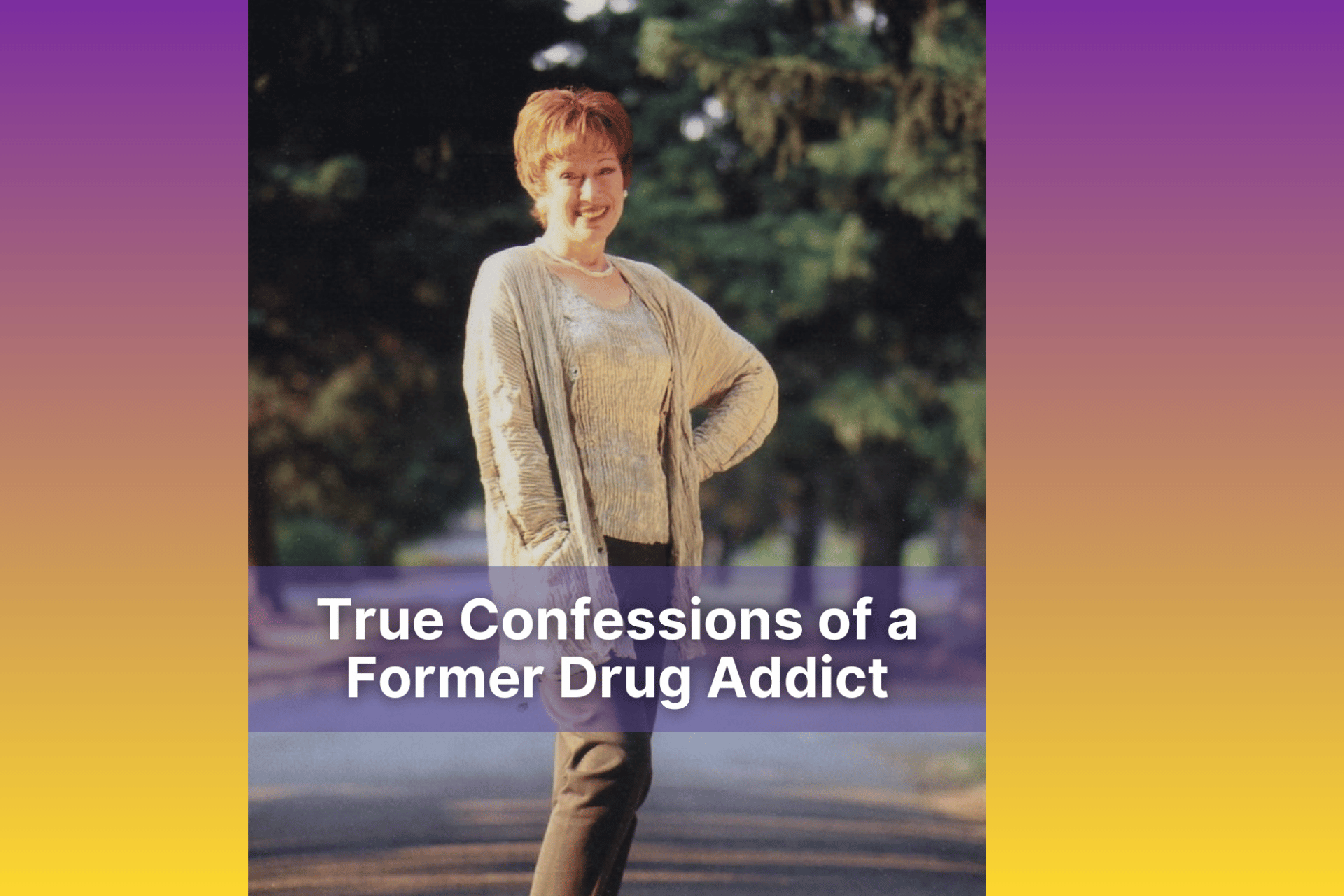
When I recently shared my story about becoming dependent on Ativan on Facebook, I had no idea how many of my followers would respond with their own stories of anxiety, insomnia, withdrawal, and feeling dismissed by the system. It reminded me of something important: this is far more common than most people realize. So today, I want to share the other side of that story—not just what happened, but what helped me heal. Because while the road back was long, my nervous system did recover. And there were a few key tools that made all the difference.
But first (for those of you who may have missed it), here is my story:
“I want to share something I don’t talk about lightly—because it changed my life in ways I never saw coming.
Becoming dependent on a benzodiazepine was never on my radar.
But due to a perfect storm of circumstances, I found myself taking Ativan—for three years. A drug that’s only recommended for a few short weeks.
After my near-fatal concussion nearly two decades ago, I was dealing with what I now know was post-concussion syndrome. At the time, I didn’t recognize it. I just knew something was very wrong.
I had bouts of crying for no reason.
Relentless headaches.
Insomnia.
Agitated, unshakable anxiety.
I tried everything natural I knew—homeopathy, herbs, amino acids—but nothing worked fast enough or lasted long enough to touch what I was experiencing. And life didn’t slow down.
I was traveling back and forth from the Northwest to the East Coast as my beloved parents’ health was failing. I was involved in a new food venture—and found out, completely by accident, that a partner was stealing from the company. I was deep in research for a new book on EMFs. I was running a busy private practice. And then on top of all that, I discovered a trusted bookkeeper was embezzling from me, most likely due to my frequent absences taking care of my parents.
Like so many women, I put myself last. I didn’t have the time, or the patience, to wait for my body to rebalance.
So my general practitioner prescribed Ativan at 0.5 mg, three times a day. At first, it felt like a miracle. I could finally sleep. I could think clearly. I could function again. But that “miracle” came with a cost no one warned me about.
When I tried to stop, everything turned.
Nerve tingling.
Neuropathy.
Anxiety that came back stronger than ever.
That’s when the real nightmare began.
I had unknowingly developed benzodiazepine withdrawal syndrome. And here’s what I wish someone had told me—coming off a benzodiazepine must be done extremely gradually. In many cases, the withdrawal can be even more difficult than heroin.
I was admitted into three different treatment centers—some of the best, I was told. My husband brought in research, clinical studies, and tried desperately to advocate for me. But the response was always the same:
More drugs.
Hospitalization.
Even shock treatment was suggested.
No one addressed the underlying cause. No one recognized what was actually happening.
Finally, my husband took matters into his own hands. He pulled me out of the third center and drove me to Florida, where I began a completely different approach based on the guidance of my old friend and colleague, Julia Ross.
She was aghast at the treatment I had received.
There, I began brain training (now known as Cereset) to help reset the balance between my brain’s hemispheres, along with high-dose GABA therapy—far beyond the typical 750 mg twice daily.
And slowly… I came back.
But it took three full years to feel like myself again. Three years to undo what was originally prescribed so casually.
If there’s anything I’ve learned, it’s this:
These medications are handed out far too freely.
They are not benign.
And they can alter your brain and body in ways that are incredibly difficult to reverse!
And perhaps just as important—having a strong advocacy team by your side is not optional when navigating the mental health system. It’s essential.
If you or someone you love is facing a similar path, please ask questions. Look deeper. Trust your instincts. Because when it comes to your health, a quick fix can sometimes come with long-term consequences.”
What Helped Me Heal
Among the most effective solutions I found is this: GABA (gamma-aminobutyric acid)
This is a naturally occurring calming neurotransmitter in the brain that helps quiet an overactive nervous system. It can ease physical tension, promote deeper, more restorative sleep, and take the edge off everyday stress and anxiety—benefits that so many people need in today’s high-pressure world!
You can find the Thorne PharmaGABA I take daily in my online Fullscript catalog:
https://us.fullscript.com/welcome/agittleman/store-start
Magnesium Was Another Lifeline
One of the most overlooked nutrients for calming the nervous system is magnesium—and yet it’s one of the first minerals depleted by chronic stress. When you’re living in a constant fight-or-flight state, magnesium gets burned up fast. And without enough of it, the nervous system has a harder time relaxing, the muscles stay tense, sleep gets lighter, and anxiety can feel amplified.
That’s why magnesium became one of my lifelines during recovery. It helps regulate the stress response, relax overactive nerves, and support deeper, more restorative sleep. If your body feels “wired but tired”—exhausted but unable to settle—magnesium is often one of the first places I look.
That’s also why I’m so particular about the form. Not all magnesium is created equal. UNI KEY’s very popular Mag-Key contains four highly absorbable forms of magnesium, designed to support the nervous system from multiple angles—helping calm the mind, relax the body, and restore the resilience that stress so often drains away.
Blood Sugar Stability Matters More Than You Think
Here’s something most people never connect: unstable blood sugar can feel exactly like anxiety. It can trigger a racing heart, shakiness, irritability, panic, and those dreaded middle-of-the-night wake-ups that leave you wired instead of rested.
During my recovery, I became almost obsessive about keeping my blood sugar steady—and it made a tremendous difference. That meant protein at every meal, healthy fats to slow the burn, and never skipping meals.
Protein is especially important because it provides the amino acid building blocks your brain needs to make calming neurotransmitters in the first place. No protein? No raw materials.
That’s one reason I rely on a clean, easy-to-digest protein powder like Fat Flush Whey Protein. It’s an easy way to anchor blood sugar, support the adrenals, and help keep the nervous system on more solid ground.
Because a dysregulated nervous system cannot heal on a blood sugar roller coaster.
Bottom Line: The Brain Needs Raw Materials to Rebuild
One of the biggest lessons I learned is that the brain cannot heal without the right building blocks. Neurotransmitters like GABA, serotonin, and dopamine aren’t made out of thin air. They require amino acids, B vitamins, magnesium, and healthy fats to be made—and stress burns through those nutrients fast.
That’s one reason I’m so passionate about foundational nutrition. If your body is depleted, your brain is depleted. And when your brain is depleted, resilience gets harder to access. Sleep suffers. Stress feels bigger. Recovery takes longer.
This is where a solid nutritional foundation matters. A well-balanced multivitamin—like UNI KEY’s Advanced Daily Multivitamin—can help fill in the gaps and provide the nutritional support your brain and nervous system need to recover, rebuild, and regulate.
Sometimes healing starts with something as simple as giving the body what it’s been missing all along.
Don’t Ignore the Gut-Brain Connection
One of the most overlooked pieces of anxiety recovery is the gut. We now know that much of your brain chemistry is influenced by what’s happening in your digestive tract. If digestion is sluggish, inflammation is high, or your microbiome is out of balance, your nervous system will feel it.
In fact, your gut and brain are in constant conversation through what’s called the gut-brain axis. When that communication breaks down, symptoms like anxiety, insomnia, brain fog, and even panic can become much harder to resolve.
That’s why healing the brain often means healing the gut first. Supporting healthy digestion and replenishing beneficial bacteria can be a powerful first step in calming the nervous system from the inside out. A targeted probiotic like Flora-Key can help restore that balance and support a healthier foundation for emotional resilience.
Sometimes the fastest way to calm the mind… starts in the belly.
The Road Back to Health
If anxiety, insomnia, or nervous system exhaustion have become your daily reality, don’t settle for surviving.
Start rebuilding.
Begin with the foundations: calming neurotransmitter support, magnesium repletion, blood sugar balance, gut repair, and targeted nutrition.
These are not quick fixes—but they are real solutions.
I’ve personally walked this road, and I can tell you: the right support changes everything. If you’re ready to start strengthening your nervous system from the ground up, you’ll find my trusted tools—including my favorite Fullscript recommendation and foundational support from UNI KEY Health—linked below.
Your comeback may begin with one small step. Take it.
FIGHT BACK WITH THESE NUTRIENT SOLUTIONS
You’ll find Thorne PharmaGABA (the same kind that I take daily) in my online Fullscript catalog.
SHOP >> MAG-KEY | FAT FLUSH WHEY PROTEIN | ADVANCED DAILY MULTIVITAMIN









21 Responses
Thank you for this valuable information
Shirley, so glad it was helpful! – Team ALG
Thank you, Ann Louise for your heartfelt honesty & beautiful courage in sharing your shocking personal experience that truly enlightened me most significantly, though I never experienced all of these symptoms described. However, I’ve experienced mild brain fog, weary exhaustion & depression regularly.
I thank you from e bottom of my heart for your informative life chapter!
Magdalene, thank you so much. If my experience helps bring clarity or comfort to someone else navigating their own struggles, then there’s real purpose in sharing it. – Team ALG
Are your vitamins and supplements only for women? I have an 18 year old grandson that experiencing high anxiety and depression. I do not want him on all these drugs that are handed out like candy.
Dawn, Not at all. Many of my supplements are formulated for both men and women because the body’s basic nutritional needs—especially for the nervous system, stress response, and brain health—are universal. For an eighteen-year-old dealing with anxiety and depression, I’d first look at the foundations: blood sugar balance, gut health, magnesium, B vitamins, and overall nutrient status. Those areas are often overlooked and can make a real difference before turning to stronger interventions. – Team ALG
Thank you, My son was given Ativan for his anxiety when he was 12 after his best friend passed. I didn’t realize his addiction to it. And I’m sure he didn’t either. He stopped on his own and then has been smoking pot since. He’s now 35 and is in constant anxiety. After 4 hours it’s like he crashes and can get short tempered and thus more smoking pot. He takes tums consistently. Do you think the gaba would help calm him naturally?
Mary, yes. GABA is helpful for calming and supporting the nervous system. Along with that, we’d want to make sure he’s getting a solid daily multivitamin, adequate magnesium (which is often depleted under chronic stress; start with 5mg per lbs of body weight), and enough quality protein. Young men especially need protein to stabilize blood sugar and support brain chemistry, so even one daily smoothie with a clean whey protein powder is a very smart place to start. The goal is to nourish the nervous system—not just quiet it. – Team ALG
You’ll find Thorne PharmaGABA (the same kind that I take daily) in my online Fullscript catalog at Fullscript: https://us.fullscript.com/welcome/agittleman/store-start
MAG-KEY | FAT FLUSH WHEY PROTEIN | ADVANCED DAILY MULTIVITAMIN are all available at https://unikeyhealth.com/
In my 20’s I became addicted to Ativan as well. Horrible boyfriend breakups made me a wreck. My Dr. handed out pills like he ran a candy store….no joke. I would go in for something completely unrelated and he would say “how’s your Ativan”? Even with the Ativan I couldn’t sleep because I could hear the blood rushing up my neck to my ears on the left side of my neck which I never thought was the Ativan but it was. So years later I decided to stop taking them….OMG. I had a vacation planned so thought that would be a good time to quit so did not bring them with me. Well I could not sleep for 3 days!! Unbelievable withdrawal symptoms. Quitting cold turkey is never a good idea. Never touched them after that…lesson learned.
Karen, thank you for sharing that. These medications are powerful, and coming off them is often much harder than people expect. So glad you’re on the other side of it! – Team ALG
Wow, such an interesting story that will help many. I appreciate you so much and treasure every bit of information that I receive from you. Thank you!
Amy, thank you so much. Sometimes the hardest chapters in life become the very lessons we’re meant to share. I’m grateful this resonated with you – Team ALG
Amy, thank you so much. If sharing my story helps even one person feel less alone or better informed, it’s worth it. – Team ALG
Thank you so much for your transparency. Having cared for two family members that had nervous breakdowns and were prescribed many psychotropic drugs, I’ve come to appreciate the need for good gut and brain health. Please keep writing on this!
Paulette, thank you for sharing that. When you’ve witnessed the effects up close, you understand just how deeply the brain, gut, and nervous system are connected. So much of mental and emotional health begins in the body—inflammation, nutrient deficiencies, digestive health, and stress physiology all play a role. I’ll definitely keep writing on this. There’s much more to uncover—and even more we can do to support healing naturally. – Team ALG
Paulette, thank you for sharing that. When you’ve seen it up close, you understand how deeply the gut, brain, and nervous system are connected. Will definitely keep writing on this. – Team ALG
I have been through benzo withdrawal and it took months and microdosing. It was a nightmare.
Sally, thank you for sharing your experience. Benzo withdrawal can be incredibly difficult, and far too many people underestimate how powerful that process can be. We’re so glad you found a way through it. Your experience is an important reminder that tapering slowly and carefully—with the right support—can make all the difference. Wishing you continued healing and steadiness ahead. – Team ALG
Sally, thank you for sharing that. These medications are powerful, and coming off them is often far more difficult than people realize. So glad you made it through. – Team ALG
Thank you so much, Ann Louise, for this surprising story that so many can relate to.
Your transparency, authenticity, care and inspiration are deeply appreciated.
Thank YOU for your kind comments! – Team ALG