
I hate to be the bearer of bad news, but your morning cup of tea may contain more than just tea leaves.
Many conventional tea bags are made with plastics such as polypropylene, nylon, or PET (the same plastic commonly used in water bottles and food packaging). When hot water is poured over them, they can release microscopic plastic particles directly into your cup.
In a 2019 study, researchers at McGill University discovered that brewing just one plastic mesh tea bag released approximately 11.6 billion microplastic particles into a single cup of tea.
Another study by Spanish scientists reported even higher levels, with some tea bags releasing more than 1 billion microplastic particles per milliliter of tea. Considering an average cup contains about 240 milliliters, the potential exposure adds up quickly.
Should we be concerned?
While scientists are still working to understand the full health effects of microplastics, the findings so far are unsettling.
A 2024 study published in the New England Journal of Medicine found microplastics embedded in artery plaque, and people with the highest levels had a significantly greater risk of heart attack, stroke, or death.
In 2025, researchers reported higher concentrations of microplastics in the brains of people with dementia than in those without the condition.
More recently, investigators at New York University found microplastic levels were 2.5 times higher in prostate cancer tissue than in nearby healthy tissue.
Fortunately, there’s an easy solution.
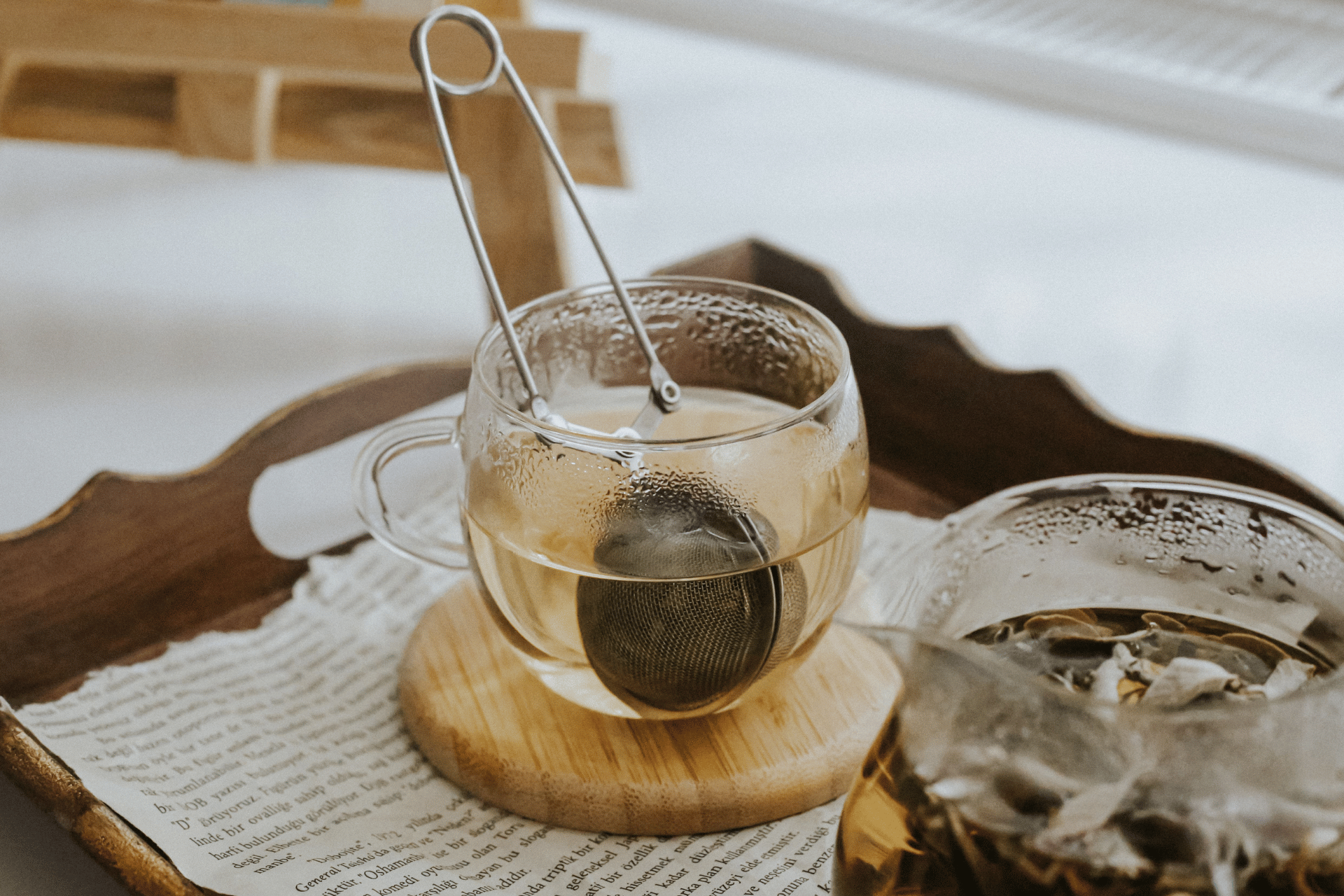
Skip plastic tea bags whenever possible and choose loose-leaf tea instead. Brew it in a stainless steel tea infuser or a ceramic teapot with a metal strainer. You’ll still enjoy all the wonderful benefits of tea—without adding unnecessary plastic to your daily routine.
Sometimes the smallest swaps can make the biggest difference.
>> Check out my Clean Kitchen Essentials on Amazon!
Resources include:
Hernandez LM, Xu EG, Larsson HCE, Tahara R, Maisuria VB, Tufenkji N. Plastic Teabags Release Billions of Microparticles and Nanoparticles into Tea. Environ Sci Technol. 2019 Nov 5;53(21):12300-12310. doi: 10.1021/acs.est.9b02540. Epub 2019 Sep 25. PMID: 31552738.
Loeb S, et al. Microplastics and Prostate Cancer. Journal of Clinical Oncology. 2026;44(7 Suppl): Abstract 379. Presented at the American Society of Clinical Oncology Genitourinary Cancers Symposium.
Marfella R, Prattichizzo F, Sardu C, et al. Microplastics and Nanoplastics in Atheromas and Cardiovascular Events. New England Journal of Medicine. 2024;390(10):900-910. doi:10.1056/NEJMoa2309822.